Warrant Article 1 / Top Story
The warrant item that reached the water
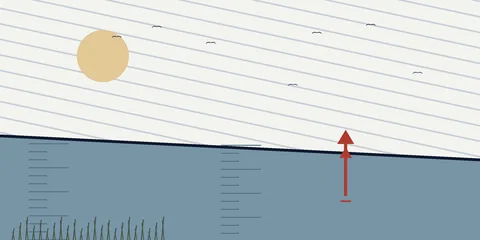
Connecticut voted its energy future like a town meeting warrant, and this month the first big item came back with power on the line. Revolution Wind, the roughly 704 megawatt project holding about 304 megawatts for Connecticut, started delivering electricity in March. The companion item on the same 2019 warrant never passed. Here is where the state's offshore wind program stands, and what it means for the supply line on your Eversource or United Illuminating bill.
Stories
Dated entries, newest first-
The warrant item that reached the water
Revolution Wind is past 90 percent built and feeding the grid, six years after the state signed its contracts. The 804 megawatt Park City Wind project on the same 2019 docket was terminated in 2023. We walk the ledger item by item, from contract price to bill line.
Sep 27, 2026 / Featured report
-
School roofs, quietly carrying the load
The Connecticut Green Bank says it supported roughly a quarter of the state's school solar installations between 2015 and 2023, mostly no-money-down leases that trade roof space for cheaper power. For a district facing a roof replacement, the array question now arrives with the roofer.
Sep 25, 2026 / Schools
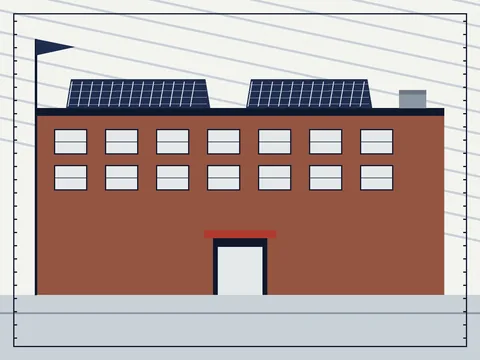
A Connecticut school roof with two rows of panels: the most common solar sight in the state, and the least argued about at budget time. -
Seawalls, gauge staffs, and the honest shoreline
A decade after Irene and Sandy rearranged the state's shoreline politics, resilience spending shows up as stone blocks, tide gauges, and raised utilities. The meters matter: a water-level gauge staff on a seawall is the closest thing the shore has to a bank statement.
Sep 24, 2026 / Shoreline
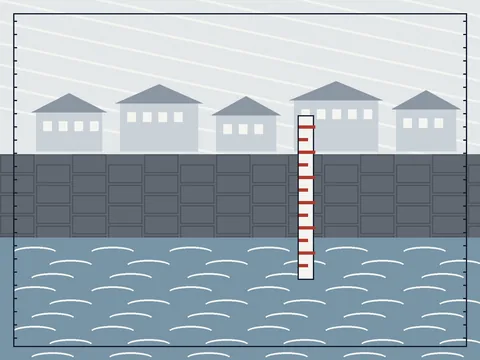
The resilience ledger in one image: a stone seawall, houses behind it, and a gauge staff that records what the Sound actually did. -
The moderator's table: how energy decisions actually get made
From town meeting floors to the Public Utilities Regulatory Authority docket, Connecticut's energy choices pass through rooms with folding chairs before they pass into law. Knowing which room a decision is in tells you how fast it can move and who can still change it.
Sep 23, 2026 / Civic mechanics
A town-meeting hall on warrant night: the format where Connecticut practices voting on hard things before the state does. -
Millstone keeps the lights on, and winter is its season
The state's largest power station, at roughly two gigawatts, supplies on the order of 40 percent of Connecticut's electricity, per the plant owner's public materials. When a January cold snap sets the New England peak, Millstone's two reactors are usually the biggest single reason your heat stays on.
Sep 22, 2026 / The anchor plant
Where Things Stand
The ledger, at last public reportConnecticut's grid operator is ISO New England, the regional body that runs the six-state power system and its markets. The state's peak demand runs on the order of seven to eight gigawatts on the coldest winter evenings, per the operator's state profile. Against that, the offshore wind warrant: a 2019 statute directing up to 2,000 megawatts of procurement by 2030, with one project delivering, one terminated, and the rest still to be voted.
| Item | Where it stands | Figure |
|---|---|---|
| Offshore wind authorization, 2019 statute | Up to 2,000 MW to be procured by 2030 | 2,000 MW |
| Revolution Wind, selected Dec 2019 | Delivering power since March 2026; more than 90% built | 704 MW |
| Connecticut's contracted share of Revolution Wind | The state's largest single clean-energy purchase | ~304 MW |
| Park City Wind, selected Dec 2019 | Contracts terminated Oct 2023 on developer economics | 804 MW |
| Millstone Power Station, Waterford | State's largest plant; roughly 40% of state power | ~2,000 MW |
| Peak demand, Connecticut | Winter evenings, per ISO New England state profile | 7 to 8 GW |
Figures rounded and hedged; sources listed on the featured report.
How We Work
Read this before the commentsWhat we cover
Clean power in Connecticut as it touches a ratepayer: offshore wind and the grid, school and municipal solar, shoreline resilience, and the programs that show up on your bill or your roof. If you cannot point to it on a map or a statement, we get more specific or drop it.
How we source
Primary sources only: the grid operator, state agencies, utilities, and project companies. Every number is hedged to what a public document actually says, and every report lists its sources of record so you can check our arithmetic against theirs.
What we never do
No invented quotes, no anonymous officials, no precise-sounding numbers that trace to nothing. Schedules slip and dockets stall, and we say so. When the honest answer is that it depends, we tell you what it depends on.